State tax treatment, checked October 2026
No Tax on Overtime in Wisconsin
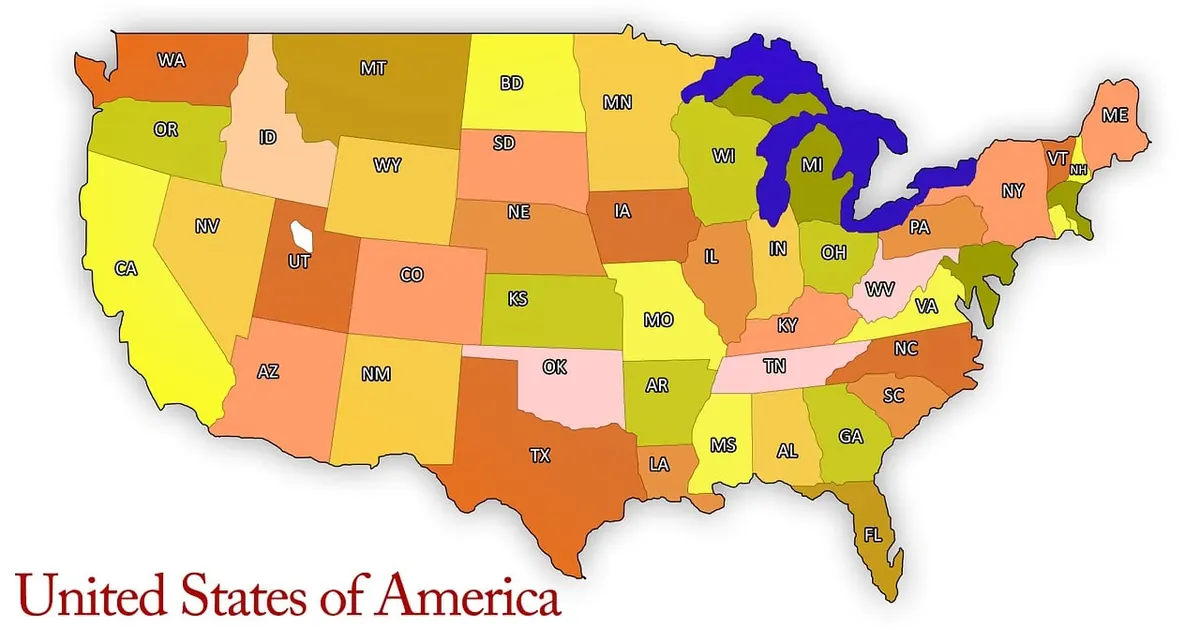
Yes, Wisconsin taxes overtime pay, and the federal deduction does not change that. No, Wisconsin law predates the deduction. Your overtime premium is taxed by Wisconsin just like your regular wages.
| State personal income tax? | Yes |
|---|---|
| Rate | Graduated, 3.5 to 7.65% |
| Does the federal deduction lower Wisconsin tax? | No, Wisconsin law predates the deduction |
| How we know | From official forms and statute |
How Wisconsin taxes overtime pay
Wisconsin starts its return from federal adjusted gross income, with Wisconsin additions and subtractions. For individuals, Wisconsin's references to the Internal Revenue Code are generally as of December 31, 2022, so the federal overtime deduction is not in Wisconsin law at all.
A bill to update that reference date to December 31, 2025 failed in 2026. AB 870 passed the Assembly in February 2026, but the Senate version, SB 859, failed when the session adjourned in March 2026. And an updated reference would still face the AGI problem, because the deduction is figured after AGI.
So Wisconsin taxes the full overtime premium, at graduated rates from 3.50% to 7.65%.
What Wisconsin has done about it
The conformity update failed in 2026. AB 870 and SB 859 would have updated Wisconsin's individual Internal Revenue Code reference to December 31, 2025. The Assembly passed its version, but the Senate bill failed on March 23, 2026, so Wisconsin law still runs on the older code and has no overtime deduction.
A worked example
Picture a Wisconsin worker earning $25 an hour. The overtime rate is time and a half, which means the premium, the extra half, is $12.50 an hour. Work 5 overtime hours a week for 50 weeks and the premium totals $3,125 a year.
What you save federally: about $688. You can deduct the whole $3,125 premium on your federal return. At the 22% federal bracket that is a saving of about $688. Your own bracket could be lower or higher, so use this as an estimate. Only the premium part counts, not the full overtime wage.
Wisconsin tax on that premium: about $138. Wisconsin still taxes the premium in full at about 4.4%, so part of the federal saving goes back to the state.
One more Wisconsin rule worth knowing
Wisconsin requires overtime after 40 hours in a workweek. Workers aged 16 and 17 also earn overtime after 10 hours in a day.
What to do
- Check how the overtime premium shows on your pay records and W-2, explained in W-2 reporting for overtime.
- Estimate your federal saving with the no tax on overtime calculator before you file.
- Then claim the federal deduction on your federal return. The complete guide to no tax on overtime explains every rule.
More states
See how other states tax overtime pay:
- No tax on overtime in Michigan
- No tax on overtime in Minnesota
- No tax on overtime in Iowa
- No tax on overtime in Illinois
- No tax on overtime in Indiana
- No tax on overtime in North Dakota
Sources
Frequently asked questions
Does Wisconsin tax overtime pay?
Yes. Overtime pay is taxed like regular pay in Wisconsin. The state rate is graduated, 3.5 to 7.65%, and the premium part is not spared by the state.
Does the federal overtime deduction lower my Wisconsin taxes?
No, Wisconsin law predates the deduction. The deduction is figured on your federal return, after AGI, and Wisconsin has no subtraction that picks it up.
Does Wisconsin have its own overtime tax break?
AB 870 and SB 859 would have updated Wisconsin's individual Internal Revenue Code reference to December 31, 2025. The Assembly passed its version, but the Senate bill failed on March 23, 2026, so Wisconsin law still runs on the older code and has no overtime deduction.
How is overtime figured in Wisconsin?
Wisconsin requires overtime after 40 hours in a workweek. Workers aged 16 and 17 also earn overtime after 10 hours in a day.
Last reviewed: October 2026 · Overtime tax calculator · About us