State tax treatment, checked October 2026
No Tax on Overtime in Pennsylvania
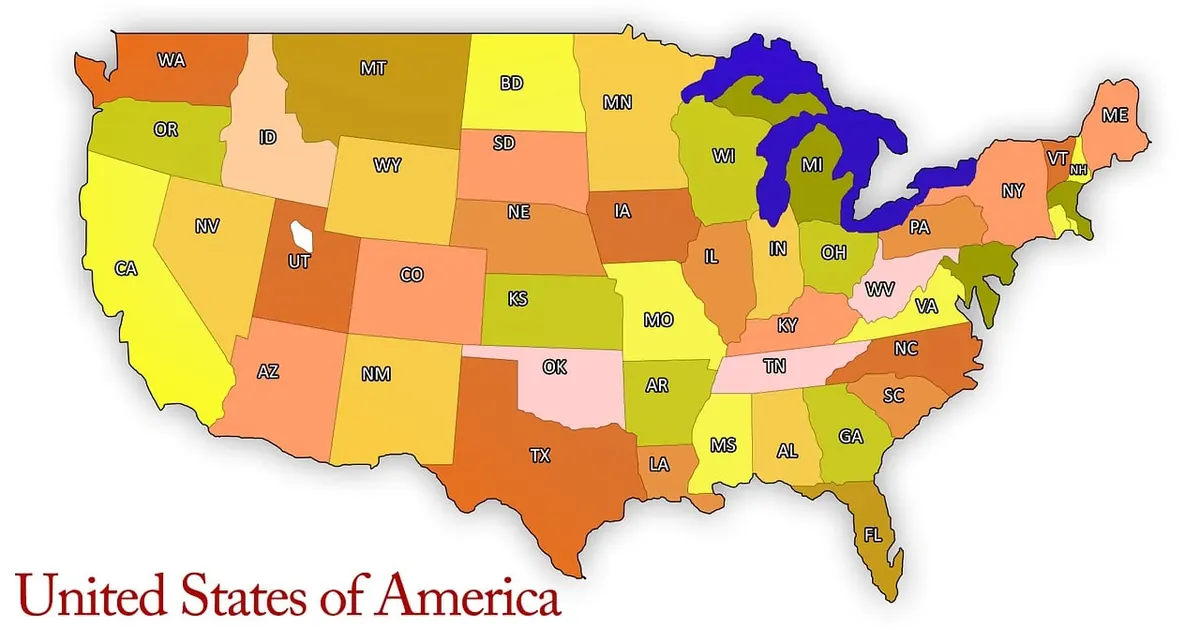
Yes, Pennsylvania taxes overtime pay, and the federal deduction does not change that. No, Pennsylvania uses its own tax system. Your overtime premium is taxed by Pennsylvania just like your regular wages.
| State personal income tax? | Yes |
|---|---|
| Rate | Flat 3.07% from the first dollar |
| Does the federal deduction lower Pennsylvania tax? | No, Pennsylvania uses its own tax system |
| How we know | From official forms and statute |
How Pennsylvania taxes overtime pay
Pennsylvania runs its own, separate income tax. It taxes eight classes of income under Pennsylvania definitions, at a flat 3.07%, with no standard deduction and no personal exemptions. It does not start from federal AGI or federal taxable income.
Because of that, a federal deduction never reaches the Pennsylvania return at all. The overtime premium is taxed at the same 3.07% as your regular wages, whether or not you claim the federal deduction.
We found no Pennsylvania Department of Revenue publication about the overtime deduction, and none is really needed: the state form never picks federal deductions up. Most workers also owe a local earned income tax on the same pay.
What Pennsylvania has done about it
A relief bill is in committee. HB 1357, introduced in April 2025, would give Pennsylvania workers state tax relief on overtime wages, described by its sponsor as a credit. It sits in the House Finance Committee and has not passed, so Pennsylvania tax on overtime is unchanged.
A worked example
Picture a Pennsylvania worker earning $25 an hour. The overtime rate is time and a half, which means the premium, the extra half, is $12.50 an hour. Work 5 overtime hours a week for 50 weeks and the premium totals $3,125 a year.
What you save federally: about $688. You can deduct the whole $3,125 premium on your federal return. At the 22% federal bracket that is a saving of about $688. Your own bracket could be lower or higher, so use this as an estimate. Only the premium part counts, not the full overtime wage.
Pennsylvania tax on that premium: about $96. Pennsylvania still taxes the premium in full at about 3.07%, so part of the federal saving goes back to the state.
Most Pennsylvania workers also owe a local earned income tax, often around 1%, on the same premium.
One more Pennsylvania rule worth knowing
Pennsylvania follows the federal 40 hour rule, with no daily overtime. One difference that can raise pay: for salaried non-exempt workers, Pennsylvania figures the regular rate by dividing salary by 40 hours, which gives a higher overtime rate than the federal method. A separate law, Act 102, limits mandatory overtime for most health care workers.
What to do
- Check how the overtime premium shows on your pay records and W-2, explained in W-2 reporting for overtime.
- Estimate your federal saving with the no tax on overtime calculator before you file.
- Then claim the federal deduction on your federal return. The complete guide to no tax on overtime explains every rule.
More states
See how other states tax overtime pay:
- No tax on overtime in New York
- No tax on overtime in New Jersey
- No tax on overtime in Maryland
- No tax on overtime in Ohio
- No tax on overtime in West Virginia
- No tax on overtime in Delaware
Sources
Frequently asked questions
Does Pennsylvania tax overtime pay?
Yes. Overtime pay is taxed like regular pay in Pennsylvania. The state rate is flat 3.07% from the first dollar, and the premium part is not spared by the state.
Does the federal overtime deduction lower my Pennsylvania taxes?
No, Pennsylvania uses its own tax system. The deduction is figured on your federal return, after AGI, and Pennsylvania has no subtraction that picks it up.
Does Pennsylvania have its own overtime tax break?
HB 1357, introduced in April 2025, would give Pennsylvania workers state tax relief on overtime wages, described by its sponsor as a credit. It sits in the House Finance Committee and has not passed, so Pennsylvania tax on overtime is unchanged.
How is overtime figured in Pennsylvania?
Pennsylvania follows the federal 40 hour rule, with no daily overtime. One difference that can raise pay: for salaried non-exempt workers, Pennsylvania figures the regular rate by dividing salary by 40 hours, which gives a higher overtime rate than the federal method. A separate law, Act 102, limits mandatory overtime for most health care workers.
Last reviewed: October 2026 · Overtime tax calculator · About us